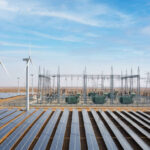
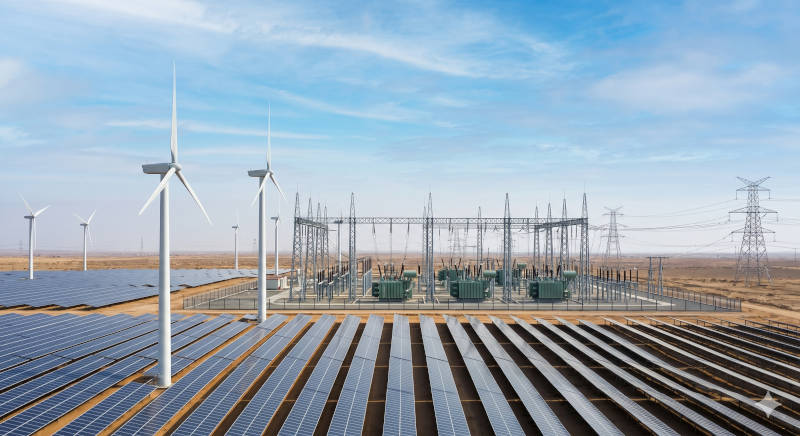
Renewable generation capacity is scaling at a staggering rate, with solar and wind representing the vast majority of new power added to the grid. However, this rapid growth has outpaced regional transmission buildouts, leading to a massive spike in curtailment—the forced reduction of a plant’s power output because the grid cannot safely absorb it.
In congested regions like CAISO, ERCOT, and the Southwest Power Pool (SPP), developers are losing significant percentages of their projected revenue simply because the local grid lacks the capacity to move the power.
Solving the Bottleneck Inside the Substation Fence
While building major interstate transmission lines takes years, optimizing the existing interface between the renewable asset and the grid can instantly mitigate curtailment losses.
- Substation Optimization Strategy: Operational Impact
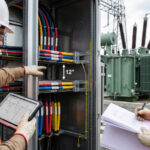
- Advanced Control Panel Tuning: Implements automated, real-time reactive power adjustments to stabilize voltage without requiring the plant to drop active power output.
- High-Fidelity Fiber Optic SCADA: Delivers sub-millisecond data visibility to utility operators, proving the plant can respond dynamically to grid fluctuations without overstressing local power transformers.
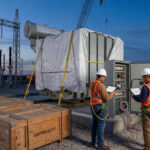
- Predictive Transformer Testing: Regular analysis of dissolved gas and insulation performance guarantees that the substation can safely handle high-load evening ramps when generation peaks.
As grids become tighter and less forgiving, the baseline definition of a successful energy project has evolved. It is no longer enough to generate clean electrons; your substation must possess the digital and physical infrastructure required to fight for its space on the grid.